
Activating your Windows operating system is a crucial step to ensure smooth, uninterrupted use of the software. With the recent release of Windows 11, users might encounter various methods and tools promising an easy activation. In this article, we explore the concept of a windows 11 activator, offering necessary precautions and insights to help you navigate these waters safely.
Understanding Windows 11 Activator Tools
The term windows 11 activator often refers to tools developed to bypass Microsoft’s official product key requirement. These tools can be tempting due to their promise of free activation, but they come with significant risks. Before delving into these tools, it’s essential to comprehend the potential consequences and alternatives available.
Windows 11 activators are usually developed by third-party entities that lack official recognition from Microsoft. These tools may claim to activate your OS quickly and without cost; however, the underlying mechanisms often involve manipulating system files or exploiting vulnerabilities within the operating system itself. This approach can lead to unpredictable outcomes and compromise system stability.
The Risks of Using Unofficial Activation Tools
Using a windows 11 activator not endorsed by Microsoft can expose your system to multiple vulnerabilities. Unofficial activators like kmspico 11.2.1 or km spico can compromise security and stability. They may embed malware or disrupt regular updates, leading to reduced performance or data breaches.
Moreover, these tools might not receive regular updates themselves, which means they cannot adapt to new security measures introduced by Microsoft over time. This lack of support leaves your system vulnerable to emerging threats that could have been mitigated through legitimate activation methods.
Legal Implications
Resorting to any unauthorized windows 11 activator can have legal repercussions. Bypassing legitimate licensing violates Microsoft’s terms of service, exposing users to potential legal actions. It’s important to stay within legal boundaries by obtaining a genuine license key or digital license.
Legal issues aside, using unauthorized activators can also damage your reputation if you’re caught using pirated software in a professional setting. Businesses must particularly avoid these practices as they risk not only fines but also losing trust with clients and partners who expect ethical operations.
Legitimate Ways to Activate Windows 11
Instead of risking system integrity with a windows 11 activator, consider official methods for activating Windows 11. These methods ensure compliance with Microsoft’s guidelines and provide access to all features and security updates.
Using a Product Key
A straightforward approach is purchasing a valid product key from Microsoft or authorized retailers. After installation, inputting this key activates your OS legitimately. Ensure you retain the key for future reference or re-installations.
This method not only guarantees peace of mind but also ensures you receive full customer support from Microsoft should any issues arise with your operating system in the future.
Leveraging Digital Licensing
If upgrading from activated versions like Windows 10, you might qualify for a digital license which automatically activates Windows 11 without needing a product key. Check if your upgrade path supports this seamless transition.
This digital licensing method simplifies the process significantly, especially for users who frequently update their systems or transition between devices regularly.
Deployment Tools for IT Administrators
For organizations handling multiple deployments, using tools like DISM (Deployment Image Servicing and Management) can streamline Windows activation across networks, ensuring compliance while maintaining efficiency.
Windows Deployment Services (WDS)
This server role allows network-based installations of Windows OS which include automatic activation during deployment. WDS ensures each deployment stays within licensing terms without manual input for each machine.
Implementing WDS in an enterprise environment reduces administrative overhead while increasing consistency across multiple installations—a critical factor for large-scale operations requiring uniformity in software deployment.
KMS Activation for Enterprises
KMS (Key Management Service) is useful in larger environments where numerous machines operate under one umbrella. While KMS tools are mentioned in unauthorized contexts like windows 10 kms activation, legitimate KMS setup involves proper configuration under corporate licenses.
KMS provides an efficient way to manage licenses within an organization as it eliminates the need for individual product keys on each machine while still adhering to Microsoft’s licensing agreements.
Evaluating System Requirements and Constraints
Ensure your PC meets the minimum requirements for Windows 11 before proceeding with installation and activation. Key specifications include at least a Dual-core processor with VM capability (e.g., VM 2 vCPU / 4 GB RAM) and Trusted Platform Module version 2.0 for security standards.
System Compatibility Checks
Running Microsoft’s PC Health Check tool will verify compatibility, highlighting any areas that may need upgrades such as hardware configurations or secure boot settings before successfully deploying an OS activation strategy.
This step is crucial as it prevents unnecessary headaches post-installation when you realize certain features do not function due to hardware limitations that could have been identified earlier in the process.
Snapshot Timing in Virtual Environments
If utilizing virtual machines (VMs), take snapshots at pivotal stages during OS deployment processes. This practice aids in reverting to stable states if activation tests result in unexpected failures or require troubleshooting.
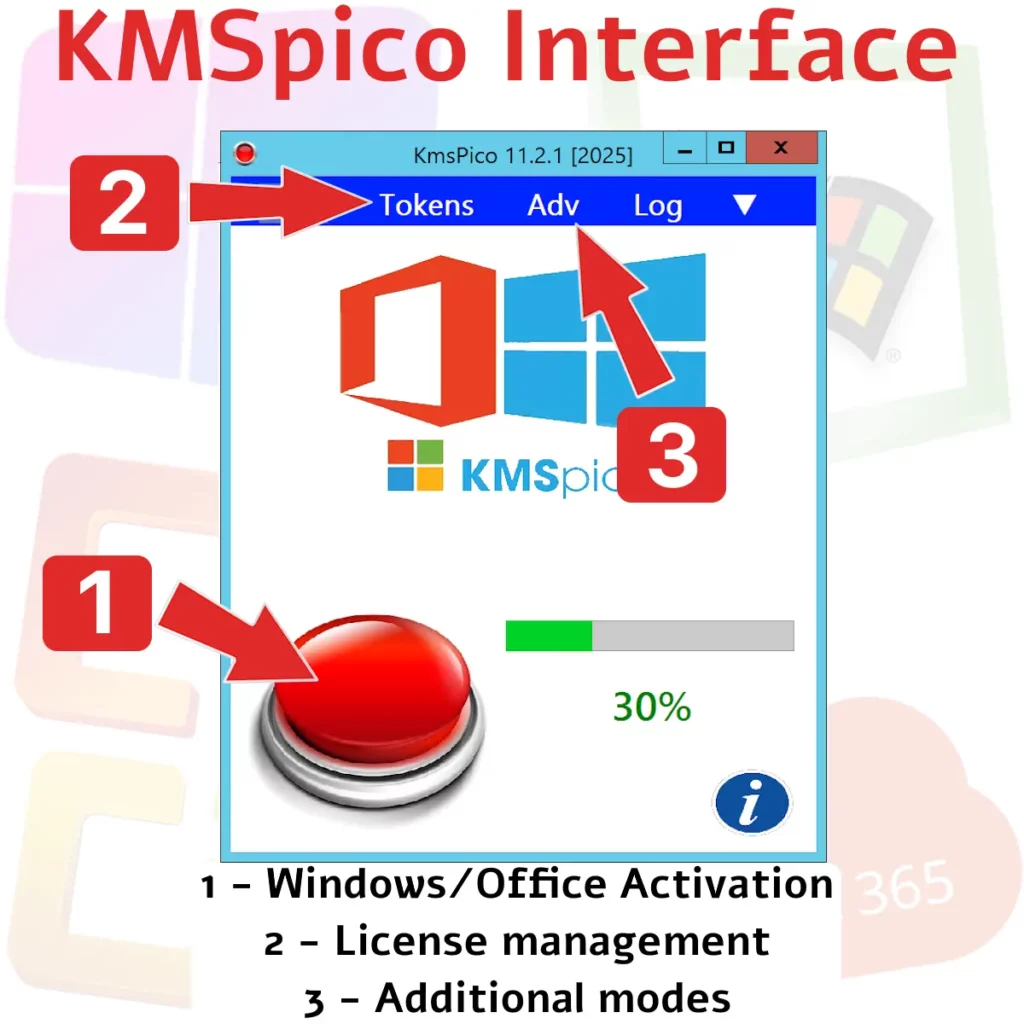
- KMSPico office 2019 support: Ensure KMS setups are officially configured according to enterprise licensing agreements.
- Alternative Activation Tools: Opt for tools directly supported by Microsoft rather than third-party solutions claiming free access.
- Sustainability Practices:: Regular audits on licenses help maintain compliance over time as systems evolve.
- User Education:: Educate end-users about the importance of using authorized software and the risks associated with unauthorized activators such as potential security breaches and legal issues.
- Regular Updates:: Keep systems updated with the latest patches from Microsoft which often include critical security fixes that protect against vulnerabilities exploited by illegal activators.
Navigating the landscape of Windows activation requires balancing between operational needs and compliance obligations. Foregoing unofficial windows 11 activators not only safeguards your system integrity but also aligns with best practices outlined by Microsoft’s extensive support resources.
By understanding various methods and maintaining awareness of legitimate avenues through product keys and digital licenses, both individual users and IT professionals can effectively manage their software environment without unnecessary risks associated with unauthorized activators such as kmspico windows 11 derived products.
The decision against using unauthorized windows 11 activators reflects a commitment towards ethical computing practices that respect intellectual property rights while ensuring robust protection against cyber threats that exploit pirated software loopholes. Making informed choices about how you activate your operating system ultimately contributes positively towards creating a more secure digital ecosystem for everyone involved—from individual home users up through large-scale enterprise deployments worldwide.